Category: Articles

Smart Pole, Smart City, Smart Choice

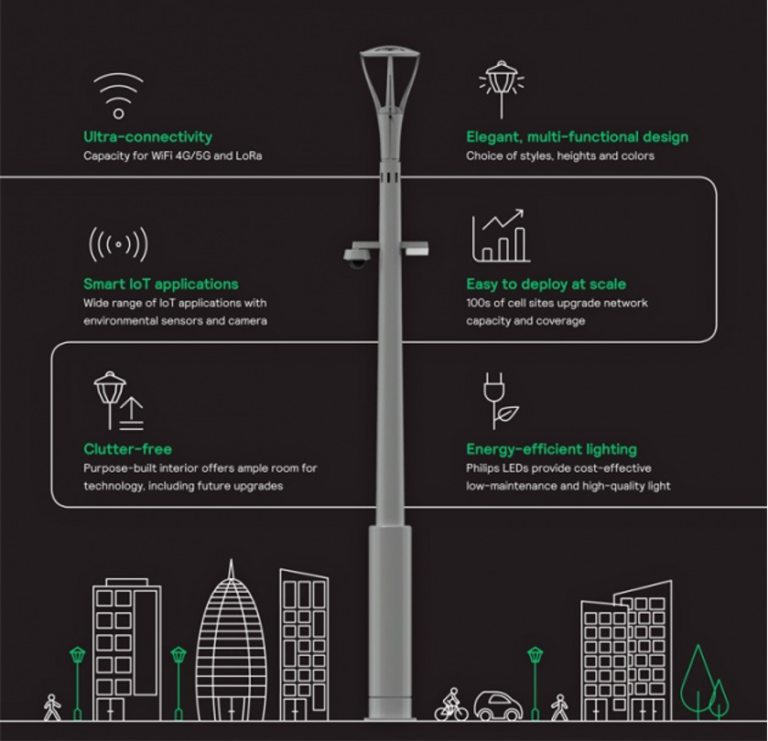
Smart poles, also known as intelligent light poles or smart streetlights, are becoming integral components of modern urban infrastructure. These poles are equipped with various sensors, communication technologies, and energy-efficient lighting systems to enable a range of applications and services aimed at improving city operations, sustainability, and public safety. Here are some common applications and services associated with smart poles: Energy-Efficient Lighting: Smart poles often feature LED lighting systems that can be remotely controlled and dimmed based on real-time conditions like traffic flow or ambient light levels. This not only saves energy but also reduces light pollution and operational costs. Environmental Monitoring: Smart poles can incorporate sensors to monitor air quality, temperature, humidity, and noise levels in real-time. This data can be used to manage pollution levels, inform city planning, and enhance overall environmental health. Public Wi-Fi Hotspots: Many smart poles are equipped with Wi-Fi routers, providing public Wi-Fi coverage in urban areas. This enhances connectivity for residents, tourists, and businesses while supporting smart city applications. Surveillance and Security: Smart poles can integrate cameras and sensors for video surveillance and monitoring. These systems can enhance public safety, assist law enforcement, and provide valuable data for traffic management and emergency response. Traffic Management: By integrating traffic monitoring sensors and cameras, smart poles can gather real-time traffic data. This information is used to optimize traffic flow, reduce congestion, and improve road safety. Smart Parking: Smart poles can support parking sensors that detect the availability of parking spaces. This data can be relayed to drivers via mobile apps, reducing traffic congestion and emissions caused by unnecessary circling for parking. Emergency Response: Smart poles can serve as emergency communication points, equipped with features like panic buttons, public address systems, and emergency lighting. They can also relay information to emergency services in case of accidents or incidents. Data Collection and Analytics: By aggregating data from various sensors and devices mounted on smart poles, cities can gain valuable insights into urban trends and patterns. This data can inform urban planning, policy-making, and resource allocation. Environmental Sustainability: Smart poles can incorporate renewable energy sources like solar panels, contributing to overall energy efficiency and reducing carbon footprint. Interactive Services: Some smart poles feature interactive displays for public announcements, advertisements, or wayfinding. These displays can be leveraged for public engagement and communication. Charging Stations: Smart poles can integrate electric vehicle (EV) charging points, supporting the adoption of electric mobility within cities. Overall, smart poles and their associated applications play a crucial role in transforming cities into more efficient, sustainable, and responsive environments. The key lies in leveraging technology to enhance urban living and address the challenges faced by modern cities. Download Data sheet: QP-SPY203-TA

Read More ...

New technology to make charging electric cars as fast as pumping gas

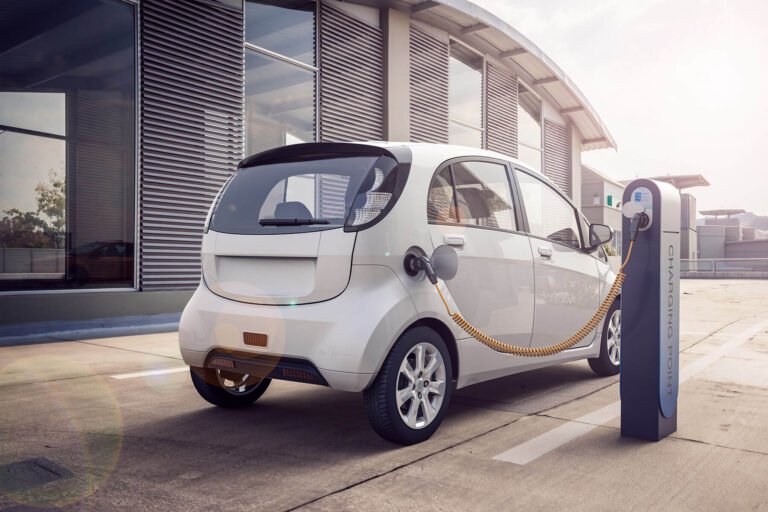
22-Mar-2022 – Institute for Basic Science Quantum charging will cut the charging time of electric vehicles from ten hours to three minutes A research team from the Institute for Basic Science has developed a quantum charging technology, which will cut the charging time of electric vehicles (EVs) from 10 hours to three minutes. Whether it’s photovoltaics or fusion, sooner or later, human civilization must turn to renewable energies. This is deemed inevitable considering the ever-growing energy demands of humanity and the finite nature of fossil fuels. As such, much research has been pursued in order to develop alternative sources of energy, most of which utilize electricity as the main energy carrier. The extensive R&D in renewables has been accompanied by gradual societal changes as the world adopted new products and devices running on renewables. The most striking change as of recently is the rapid adoption of electric vehicles. While they were hardly seen on the roads even 10 years ago, now millions of electric cars are being sold annually. The electric car market is one of the most rapidly growing sectors, and it helped propel Elon Musk to become the wealthiest man in the world. Unlike traditional cars which derive energy from the combustion of hydrocarbon fuels, electric vehicles rely on batteries as the storage medium for their energy. For a long time, batteries had far lower energy density than those offered by hydrocarbons, which resulted in very low ranges of early electric vehicles. However, gradual improvement in battery technologies eventually allowed the drive ranges of electric cars to be within acceptable levels in comparison to gasoline-burning cars. It is no understatement that the improvement in battery storage technology was one of the main technical bottlenecks which had to be solved in order to kickstart the current electric vehicle revolution. However, despite the vast improvements in battery technology, today consumers of electric vehicles face another difficulty – slow battery charging speed. Currently, cars take about 10 hours to fully recharge at home. Even the fastest superchargers at the charging stations require up to 20-40 minutes to fully recharge the vehicles. This creates additional costs and inconvenience to the customers. To address this problem, scientists looked for answers in the mysterious field of quantum physics. Their search has led to the discovery that quantum technologies may promise new mechanisms to charge batteries at a faster rate. Such concept of “quantum battery” has been first proposed in a seminal paper published by Alicki and Fannes in 2012. It was theorized that quantum resources, such as entanglement, can be used to vastly speed up the battery charging process by charging all cells within the battery simultaneously in a collective manner. This is particularly exciting as modern large-capacity batteries can contain numerous cells. Such collective charging is not possible in classical batteries, where the cells are charged in parallel independently of one another. The advantage of this collective versus parallel charging can be measured by the ratio called the ‘quantum charging advantage’. Later, around the year 2017, it was noticed that there can be two possible sources behind this quantum advantage – namely ‘global operation’ (in which all the cells talk to all others simultaneously, i.e., “all sitting at one table”) and ‘all-to-all coupling’ (every cell can talk with every other, but a single cell, i.e., “many discussions, but every discussion has only two participants”). However, it is unclear whether both these sources are necessary and whether there are any limits to the charging speed that can be achieved. Recently, scientists from the Center for Theoretical Physics of Complex Systems within the Institute for Basic Science (IBS) further explored these questions. The paper, which was chosen as an “Editor’s Suggestion” in the journal Physical Review Letters, showed that all-to-all coupling is irrelevant in quantum batteries and that the presence of global operations is the only ingredient in the quantum advantage. The group went further to pinpoint the exact source of this advantage while ruling out any other possibilities and even provided an explicit way of designing such batteries. In addition, the group was able to precisely quantify how much charging speed can be achieved in this scheme. While the maximum charging speed increases linearly with the number of cells in classical batteries, the study showed that quantum batteries employing global operation can achieve quadratic scaling in charging speed. To illustrate this, we will consider a typical electric vehicle with a battery that contains about 200 cells. Employing this quantum charging would lead to a 200 times speedup over classical batteries, which means that at home charging time would be cut from 10 hours to about 3 minutes. At high-speed charging stations, the charge time would be cut from 30 minutes to mere seconds. Researchers say that consequences can be far-reaching and that the implications of quantum charging can go well beyond electric cars and consumer electronics. For example, it may find key uses in future fusion power plants, which require large amounts of energy to be charged and discharged in an instant. Of course, quantum technologies are still in their infancy and there is a long way to go before these methods can be implemented in practice. Research findings such as these, however, create a promising direction and can incentivize the funding agencies and businesses to further invest in these technologies. If employed, it is believed that quantum batteries would completely revolutionize the way we use energy and take us a step closer to our sustainable future.   Institute for Basic Science

Read More ...

Strengthening the competitiveness of the EU’s clean energy sector

30th January 2023 Paula Pinho, Director at the Directorate-General for Energy, European Commission, details the findings of the European Commission’s latest Progress Report on Competitiveness of Clean Energy Technologies. Russia’s military aggression against Ukraine has massively disrupted the world’s energy system. It has highlighted the European Union’s (EU) over-dependence on Russian fossil fuels and emphasised the need to enhance the resilience of the EU’s energy system. With energy prices at an all-time high, concerns about the security of EU energy supplies, and the risk of skills shortages across the EU, the twin green and digital transitions under the European Green Deal are more important than ever with a view to ensuring a more secure, affordable, resilient, and independent energy system. Energy crisis response Since the beginning of this energy crisis, the EU has responded with a range of measures to address the different challenges that have emerged with regard to the security of supply and high prices, without losing track of our medium-to-long-term climate and energy targets. The REPowerEU Plan,1 published in May 2022, has set the course of action aiming at phasing out imports of fossil fuels from Russia, through diversification of energy supplies, energy demand reduction and acceleration of the development of clean energy. There have also been a range of emergency measures, most recently those agreed at the Energy Council of December 2022. These include strengthened solidarity measures regarding gas supplies, the establishment of a joint gas purchasing platform, a market correction mechanism,2  and accelerated permitting rules for renewables.3  These emergency measures come in addition to gas storage rules agreed in the summer, and guidance to Member States on how to address high prices in line with EU internal market rules provided in the EU Energy Prices Toolbox adopted in autumn 2021.4 The massive scaling-up and acceleration of the deployment of clean energy technologies needed to deliver on the REPowerEU plan and the EU’s longer-term ambition require the EU’s energy system to overcome technological and non-technological challenges. Within this framework, strengthening the competitiveness of the EU’s clean energy sector is crucial to increasing the EU’s growth and technology sovereignty and to shape a more resilient, secure, and affordable energy system. Progress Report on Competitiveness of Clean Energy Technologies In this context, the European Commission presented in November 2022 the third Progress Report on Competitiveness of Clean Energy Technologies.5  The report takes into account the EU’s call for the higher and faster roll-out of clean energy technologies and the impact of the energy crisis on the sector.  It builds on the latest available data to provide insights into ways of reinforcing the EU’s competitiveness in strategic energy value chains. It identifies opportunities and challenges of specific clean energy technologies and solutions in the EU, analyses the global energy market trends and dynamics, and maps the competitiveness of the EU’s clean energy system as a whole. High energy prices have affected manufacturing costs. The impact has been substantial in particular for energy-intensive industries, while for clean energy technologies’ value chains the impact remains mixed. The current geopolitical context, combined with the lasting effects of the COVID-19 pandemic, has also led to disruptions in some global supply chains of materials and resources. The 2022 report shows that the EU should continue its efforts to reduce its dependency on raw materials – and effectively diversify its sources – as price surges for these products severely affect the costs and competitiveness of clean energy technologies. For example, the prices of commodities needed for these technologies, like lithium and cobalt, more than doubled in 2021, while those for copper and aluminium increased by around 25% to 40% respectively. In the same year, the decade-long trend of cost reductions for wind turbines and solar PV modules was reversed: compared to 2020, their prices increased by 9% and 16% respectively. Battery packs were at least 15% more expensive in 2022 than in 2021. The shortage of skilled labour in various clean energy technology segments is another challenge to overcome for the EU’s clean energy sector. Nearly 30% of EU businesses involved in the manufacturing of electrical equipment experienced labour shortages in 2022. Within this framework, ensuring gender-balanced, fair and inclusive ecosystems is crucial, considering that, for example, less than 15% of start-ups in the EU are founded or co-founded by women. Leaders in clean energy R&I The 2022 report confirms that the EU is at the forefront of clean energy research, with research and innovation (R&I) investment steadily growing. At the global level, the EU remains a leader in ‘green’ inventions and high-value patents, being the top worldwide patent applicant in the fields of climate and environment (23%), energy (22%), and transport (28%). However, as half of the greenhouse gas emission reductions expected by 2050 require technologies which are not yet commercially available, more public and private investments in clean energy research and innovation and scale-up and deployment activities are needed and pivotal for the twin green and digital transition. The EU’s regulatory and financial frameworks have a crucial role to play here. Together with the implementation of the New European Innovation Agenda,6  EU funding programmes, enhanced co-operation between Member States and a continuous monitoring of national R&I activities, are crucial to design an impactful EU R&I ecosystem, and to bridge the gap between research and innovation and market uptake, thus reinforcing EU competitiveness. In this regard, the European Commission adopted in December 2022 the 2023-24 work programme of Horizon Europe. With a budget of around €13.5bn, this will enable researchers and innovators in Europe to pursue breakthrough solutions for the environmental, energy, digital, and geopolitical challenges facing our economies and societies today. The report also shows that the EU needs to further leverage its diverse talents, intellectual assets, and industrial capabilities, and to further mobilise private investors to participate in the EU-based start-ups’ and scale-ups’ innovation ecosystem. Despite the venture capital (VC) investments in the EU’s energy firms confirming the sustained growth seen over the past four years (up by 60% on 2020), the relative share of the EU’s VC investments in energy halved in 2021. With 10% of VC investment in energy firms, the EU ranks third worldwide, far behind the US (62%) and China (13.3%). On specific clean energy technologies, the Progress Report on Competitiveness shows that the EU’s wind sector remains a world leader in R&I and ‘high value’ patents in 2022, with public spending accounting for €883m in the period 2014-2021. The EU currently hosts 38% of all innovating companies, with the biggest pool of start-ups and innovating corporates. However, with 11 GW of wind energy installed in the EU in 2021, the industry will have to more than double the current annual rate of capacity installation in the EU in order to achieve the 2030 energy and climate targets. Major European innovation in photovoltaics The EU has also confirmed its position as one of the largest markets for photovoltaics (PV) and as a strong innovator especially in emerging PV technologies and applications (such as agri-PV, building-integrated PV, and floating PV). However, the EU is heavily dependent on imports from Asia for several crucial components (wafers, ingots, cells, and modules) and retains significant presence only in the production equipment (50%) and inverter (15%) manufacturing segments. Innovative solutions and continuous technological advances represent additional opportunities for deployment in the EU. © shutterstock/zhengzaishuru The report highlights how the EU is working to overcome challenges in several technologies to fully exploit their potential. Heat pumps are a good example for these challenges. On the one hand, the turnover for manufacturing, installation and maintenance activities in the EU has grown at an average annual rate of 21% over the last three years and amounted to €41bn in 2020. On the other hand, the heat pumps sector will have to accelerate its already fast-growing deployment and ensure systems affordability (especially for low-income households and SMEs), and EU suppliers will have to ramp up production in order to maintain their market share by comparison with third countries. Energy storage and renewable fuels With regards to battery production, despite the EU being on track to almost achieving self-sufficiency by 2030, the lack of domestically-sourced raw materials and advanced materials production capacity continues to pose challenges, and further attention is needed to increase recycling capacity and establish technological capability in cheaper/ longer-term storage. The EU also benefits from its strong comprehensive approach to pull demand and supply in the field of hydrogen production through electrolysis. The European Commission and leading EU electrolyser manufacturers committed to increasing manufacturing capacity tenfold to 17.5 GW in hydrogen output by 2025. In addition, two Important Projects of Common European Interest (IPCEIs) were approved by the Commission in 2022 (July and September), for €5.4bn and €5.2bn worth of investments, involving 15 and 13 Member States respectively. However, high electricity prices and reliance on imports of critical raw materials concentrated in a few suppliers are fundamental weaknesses of the EU electrolysers’ value chains. On renewable fuels, the EU is the clear market leader in operational commercial plants and high-value innovations. Despite limited installed and planned production for 2030, renewable fuels can still contribute to all Fit for 55 emission-saving targets, if certain technical and economic risks are addressed. Innovation in the EU’s digital energy infrastructure will be key to ensuring that the electricity grid is fit for the future energy system. Demand for Home Energy Management Systems (HEMS) and smart EV charging is taking off and expected to grow, and the roll-out of an intelligent metering system is progressing in the EU (albeit at a slower pace than envisaged). Moving forward To conclude, the 2022 progress report provides insights on different ways to strengthen the competitiveness of EU clean energy technologies. In order to exploit fully its potential for leading the twin green and digital transition, it emphasises that the EU needs to leverage its diverse talents, intellectual assets and industrial capabilities. The EU is working on a number of initiatives to further exploit its potential to upscale innovation and to avoid increasing its dependency for imported technologies needed in the energy transition. For example, the EU is on track to meet 89% of demand for batteries by 2030,7  largely thanks to the European Battery Alliance’s initiatives. Similarly, the European Solar PV Industry Alliance8 aims at scaling up manufacturing technologies of innovative solar photovoltaic products and components. The EU’s strong presence and performance in global value chains and its access to third country markets is another essential element to strengthening the EU’s sovereignty. An emerging challenge for the EU is to prevent dependence on imported raw materials and the technological expertise for their processing and for manufacturing components. This becomes increasingly relevant as the twin green and digital transition will be fueled by access to raw materials. This challenge is one of the main priorities of the EU as illustrated by the recent announcement of the European Critical Raw Materials Act.9 At the same time, the current geopolitical crisis has also affected competition in the global clean energy market. Together with achieving the twin transition and facing the energy crisis, the EU has had to deal with the impact of third country measures, such as the US Inflation Reduction Act (IRA) and China’s policy to attract the EU industrial capacities. Within this framework, the European Commission is taking measures aimed at strengthening Europe as an industrial powerhouse.10 In November 2022, the European Commission launched the Clean Tech Europe – a high-level platform with Member States and stakeholders to discuss how to support the industrial ecosystem in Europe in promoting the clean energy transition. In January 2023, the President of the European Commission announced the Green Deal Industrial Plan to “make Europe the home of cleantech and industrial innovation on the road to Net Zero.”11 The European Commission will continue to step up its effort in shaping and monitoring the progress of the EU’s clean energy sector while considering the global energy landscape dynamics. This will inform policy decisions and help make the EU competitive, resource efficient, resilient, and climate-neutral by 2050. The 2022 Progress Report on

Read More ...

Revolutionary sodium battery has four times the capacity of lithium-ion batteries

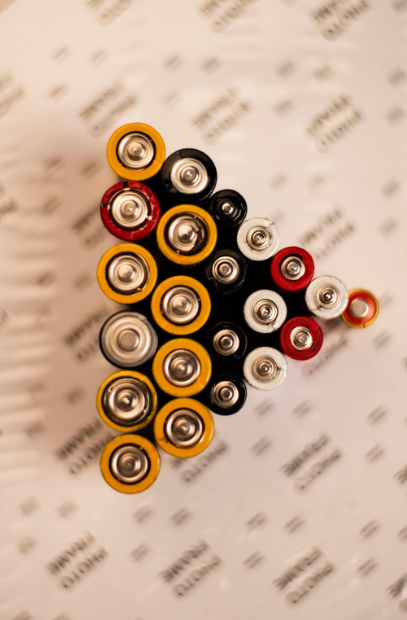
29th December 2022 In a groundbreaking advancement for energy storage technology, a team of international researchers has developed an advanced sodium battery that boasts an energy capacity four times greater than its lithium-ion battery counterparts. Spearheaded by experts at the University of Sydney, the project has designed a new sodium battery that not only has a significantly increased energy storage capacity compared to lithium batteries but also is much cheaper the produce. The battery innovation could play a pivotal role in transitioning to a decarbonised economy. The study, ‘Atomically Dispersed Dual-Site Cathode with a Record High Sulphur Mass Loading for High-Performance Room-Temperature Sodium–Sulphur Batteries,’ is published in Advanced Materials. Energy storage needs are increasing exponentially As the planet strives toward employing more environmentally friendly sources of energy to achieve climate neutrality, developing advanced energy storage technologies will be critical. A recent report from the Clean Energy Council found that in Australia in 2021, 32.5% of the country’s electricity came from clean energy sources. A further report on the Australian battery market also suggested that household energy storage is increasing, with a record 33,000 batteries installed in 2021. Developing the most powerful sodium battery to date The novel battery was fabricated using sodium-sulphur – a molten salt that can be processed from seawater – meaning it costs much less than sourcing lithium. Although sodium-sulphur batteries have existed for more than 50 years, they have failed to become widely used due to their low energy capacity and short life cycles. To overcome these limitations, the researchers employed a simple pyrolysis process and carbon-based electrodes to enhance the reactivity of sulphur and the reversibility of reactions between sulphur and sodium. This resulted in the sodium battery boasting a super-high capacity and ultra-long life at room temperature. The sodium battery is a more energy-dense and less toxic alternative to lithium-ion batteries that are used in most electronic devices and are expensive to create and recycle. The battery is designed as a high-performing alternative for large renewable energy storage systems that reduces operational costs, including electricity grids. © iStock/HT Ganzo Dr Shenlong Zhao, the leader of the study from the University’s School of Chemical and Biomolecular Engineering, explained: “Our sodium battery has the potential to dramatically reduce costs while providing four times as much storage capacity. This is a significant breakthrough for renewable energy development, which, although it reduces costs in the long term, has had several financial barriers to entry. “When the sun isn’t shining, and the breeze isn’t blowing, we need high-quality storage solutions that don’t cost the Earth and are easily accessible on a local or regional level. We hope that by providing a technology that reduces costs, we can sooner reach a clean energy horizon. The faster we can decarbonise – the better chances we have of capping warming. “Storage solutions that are manufactured using plentiful resources like sodium – which can be processed from seawater – also have the potential to guarantee greater energy security more broadly and allow more countries to join the shift towards decarbonisation.” The sodium battery has been successfully tested at the University of Sydney’s chemical engineering facility, and the team aims to improve and commercialise the Ah-level pouch cells.     Revolutionary sodium battery has four times the capacity of lithium-ion batteries

Read More ...

Quantum Power

Cookies Policy

This website stores cookies on your computer. These cookies are used to collect information about how you interact with our website. We use this information to improve and customize your browsing experience and for analytics and measurement of our visitors on this website and other media. For more information about the cookies we use, see our privacy policy.

Cookie-Richtlinie

Diese Website speichert Cookies auf Ihrem Computer. Diese Cookies werden verwendet, um Informationen darüber zu sammeln, wie Sie mit unserer Website interagieren. Wir verwenden diese Informationen, um Ihre Browser-Erfahrung zu verbessern und anzupassen, sowie für Analysen und Messungen zu unseren Besuchern auf dieser Website und anderen Medien. Weitere Informationen zu den von uns verwendeten Cookies finden Sie in unseren Datenschutzbestimmungen.